
Understanding Blockchain Layers (L1 and L2): A Clear and Professional Guide
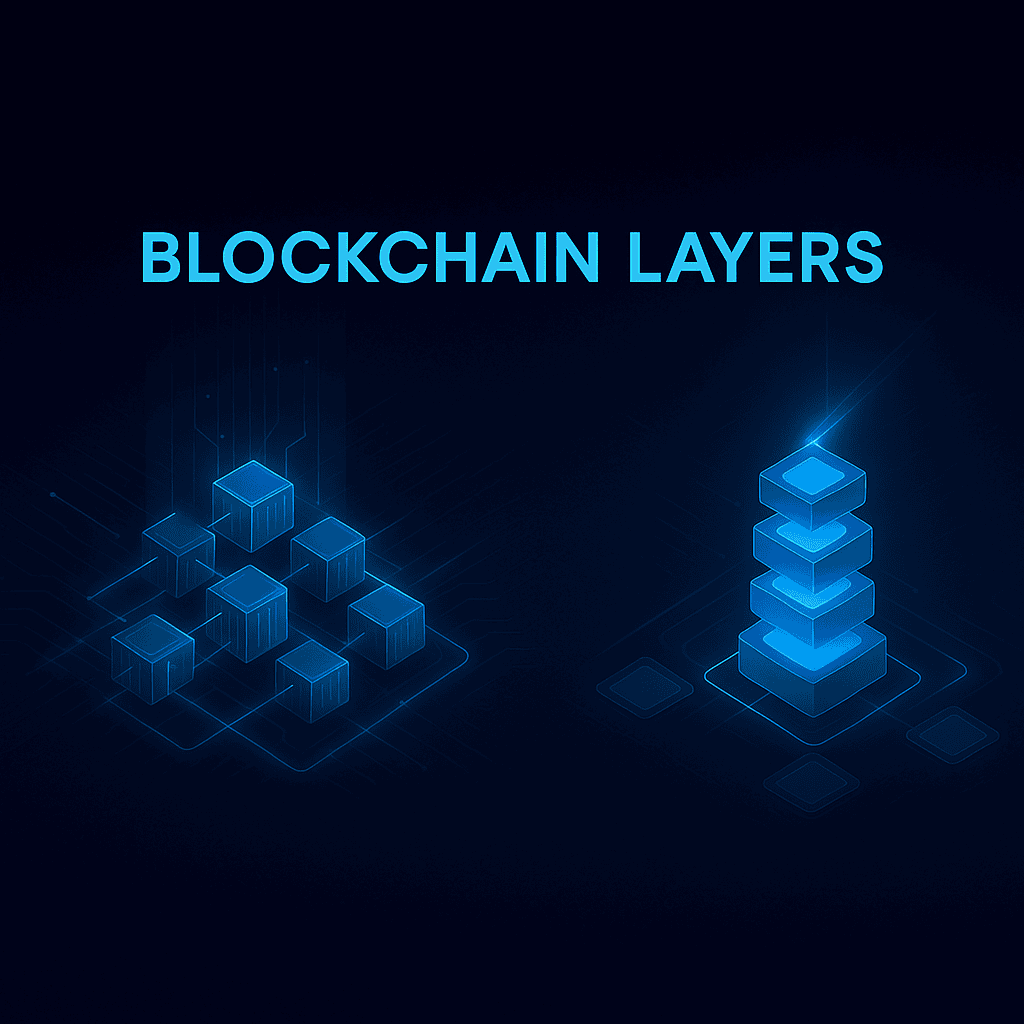
If you’ve been following the world of blockchain and digital currencies, you’ve probably heard terms like Layer 1 and Layer 2. For many people, these phrases are familiar yet unclear. What exactly do blockchain layers mean? Why do they matter? And how do they affect the way we use blockchain in real life?
Let’s clear up the confusion. In this article, we’ll understand what the layers of blockchain technology are, what each layer does, and how they work together to make blockchain faster, more affordable, and more secure. You don’t need a technical background to follow along. Whether you're a beginner or a professional exploring this space, this guide is designed to be useful and easy to understand.
What Are Blockchain Layers? A Simple Breakdown
Blockchain systems are designed in layers to manage different responsibilities. These layers help the system scale, stay secure, and serve users better.
Layer 1 is the main blockchain network. It handles the most important tasks like verifying transactions, maintaining the public ledger, and keeping the system secure. Layer 2 is built on top of Layer 1. It helps the network process more transactions quickly and at a lower cost.
Think of it like a major airport. The airport terminal is where everything important happens. It manages flights, handles security, and follows strict rules. Now imagine moving walkways inside the terminal. They don’t replace the airport. They help people move faster and make the experience smoother. Layer 1 is the airport. Layer 2 is the moving walkway. Together, they improve the system without changing its core.
What Is Layer 1 and How Does It Work?
Layer 1 is the foundation of a blockchain technology. This is where the network’s rules live and where all transactions are recorded. Some well-known Layer 1 blockchains are Ethereum, Bitcoin, Solana, and Avalanche.
To keep everything running honestly, these blockchains use something called a consensus mechanism. This is how the network agrees on what’s true and what’s not.
There are two main types you’ll hear about:
- In Proof of Work, computers called miners solve complex puzzles. The first one to solve it gets to confirm the next group of transactions and earns a reward.
- In Proof of Stake, people lock up their tokens. The system picks someone from this group to verify the next set of transactions. The more you stake, the higher your chances of being selected.
Both methods help the network stay decentralized. That means no one person or company controls it. Instead, it’s run by a group of independent participants who follow the same rules.
Every time you use a Layer 1 network, you pay a small fee called a gas fee. This goes to the miners or validators who confirm your transaction and add it to the blockchain. Think of them as digital notaries who make sure everything is recorded correctly and permanently.
Why Layer 1 Can Slow Down or Get Expensive?
Layer 1 is reliable, but it can get crowded. That’s because every transaction has to be checked by many validators. There’s also a limit to how many transactions can be added to each block.
When more people use the network, the transaction speeds drop. To speed things up, users offer to pay higher gas fees. This creates a bidding war. The more you pay, the faster your transaction goes through.
It’s a bit like a highway with only a few toll booths. When traffic is light, everyone gets through quickly. But during rush hour, lines form, and some drivers are willing to pay extra for faster service. The result is higher costs and longer wait times, especially during busy periods.
For small payments, these fees can make blockchain hard to use. That’s where Layer 2 comes in.
What Is Layer 2 and Why Is It Important?
Layer 2 is a set of tools built on top of Layer 1. It helps users transact faster and cheaper without losing the benefits of network security and trust.
Here’s how it works. Instead of sending each transaction directly to Layer 1, Layer 2 groups many transactions together. It processes them separately, then sends a summary of those results back to the main blockchain.
This summary acts as proof that everything was handled properly. Layer 1 doesn’t need to review every detail. It only checks the final result and records it.
Imagine a high-speed express lane built above a busy highway. Cars use this faster route to get to their destination. At the end of the lane, a checkpoint reviews where they’ve been and confirms the trip. Then the result is added to the official highway records. The cars move faster, but the system remains accurate and accountable.
This is how Layer 2 helps blockchain systems scale while still relying on the trust and security of Layer 1.
How Layer 2 Makes Blockchain Faster and More Affordable?
The biggest benefit of Layer 2 is that it improves performance without changing the rules or structure of the main chain.
By processing transactions separately and submitting only summaries to Layer 1, Layer 2 allows thousands of users to interact with the network at once. This reduces wait times and makes the experience smoother for everyone.
And it does this without centralizing control. The system is still open and decentralized, just more efficient.
Using the traffic example again, Layer 2 is the express lane that helps cars move quickly. But at the end of the journey, they still pass through the main highway checkpoint. That checkpoint confirms that everything is in order. The process is faster, but the rules haven’t changed.
This balance is what people mean when they say “scaling without centralizing.” It’s how blockchain can grow while staying secure and fair.
Is Layer 2 Secure?
Layer 2 systems are designed to be secure because they still depend on Layer 1 for final approval.
After Layer 2 processes a group of transactions, it sends a summary to Layer 1. This summary includes data or proof that the process was fair. If someone tries to cheat, the base layer can reject the summary or correct the error.
You can think of Layer 2 as a teaching assistant who grades papers quickly and accurately. But before the grades are finalized, the head teacher reviews them. If something doesn’t look right, the teacher steps in and makes the final decision. Layer 1 is that trusted teacher who ensures the results are fair.
Common Examples of Layer 1 Blockchains
Several well-known blockchains like Bitcoin and Ethereum operate at the Layer 1 level. Each has its own features and strengths.
- Ethereum is the most widely used smart contract platform. It supports apps, tokens, and decentralized finance.
- Bitcoin is the first and most secure blockchain. It focuses on simple peer-to-peer payments.
- Solana is built for high speed and low transaction fees. It’s great for performance-heavy applications.
- Avalanche is known for fast transaction times and customizable networks for different use cases.
Each one is an independent network that handles its own security and rules.
Notable Layer 2 Solutions in Use Today
Many Layer 2 platforms are helping to improve Ethereum’s speed and cost.
- Arbitrum is a popular rollup with a large and active developer community.
- Optimism focuses on faster transactions and supports many Ethereum apps.
- zkSync uses advanced math to validate transactions with strong efficiency and privacy.
- Base is a newer network supported by Coinbase. It’s designed to make Ethereum easier to use.
These networks vary in how they work but all aim to make blockchain ecosystem more accessible and affordable.
Why This Layered System Matters?
Without layers, blockchains would stay small, slow, and expensive. They would be secure, yes, but not practical for everyday use.
Layer 1 brings trust and security. Layer 2 brings speed and affordability. Together, they allow the network to grow while still being fair and decentralized.
This structure is what makes modern blockchain systems ready for real-world applications. It’s how we move from early experiments to solutions that serve millions of users around the world.
Real-World Use Cases and Global Value
In many parts of the world, people face high fees, slow payments, and limited access to financial tools. Blockchain technology, when designed well, can change that.
Layer 2 solutions make it affordable to send small payments, get paid instantly, and use digital tools. And behind the scenes, Layer 1 makes sure every transaction is valid and secure.
This layered approach isn’t just a technical solution. It’s a way to bring fair, efficient finance to more people, no matter where they live.
Final Thoughts: Layers That Work Together for a Stronger Blockchain
The idea of blockchain layers may sound complex at first. But in practice, it’s a smart and simple way to solve real challenges.
Layer 1 handles the foundation. Layer 2 adds the speed. When they work together, the result is a system that’s secure, fast, and ready to serve the world.
If you're exploring blockchain network for the first time, understanding this structure is a great place to begin. It will help you see not just how the blockchain ecosystem works, but also why it matters.